Essay: The Unspoken Revolution
- aesthetic intelligence index

- Jan 17
- 4 min read
Updated: Jan 23
South African brands and the quiet architecture of inclusion
Against a backdrop of global fatigue with performative diversity and corporate virtue signalling, a growing cohort of South African brands is building inclusive, culturally grounded businesses without announcing the work at all.
Not because they are neutral, but because they are embedded.
This essay examines one of the least-advertised yet most consequential shifts in contemporary branding. Inclusion practised as structure, not spectacle.
Inclusion without announcement
Younger audiences are no longer persuaded by statements of intent. Gen Z and Gen Alpha are fluent in the aesthetics of performance and instinctively sceptical of it. They are not waiting to be told what a brand believes. They are watching how those beliefs materialise.
This creates tension for organisations operating in polarised environments. Visibility feels risky. Silence feels safe. But silence is still a position.
In South Africa, representation is not abstract. Inequality is spatial, economic, and visible. As a result, genuine inclusion cannot be cosmetic. It is structural.
Who is hired. Who is paid. Who authors the work. Who is centred by default. These decisions are not neutral. They are political in the most practical sense.
How meaning is built
Most brands misunderstand how credibility forms.
They assume meaning is created through language first. In reality, meaning emerges through pattern. Through repetition. Through the quiet alignment of decisions over time.
When values are embedded, they become legible without explanation. When they are bolted on, they require constant narration.
This is why performative inclusion fails. It relies on declaration rather than design.
The brands succeeding in this moment are not louder. They are more consistent.
Brands doing the work quietly
Pizzashed
Built with, not for





What began as a lockdown operation in a backyard shed has evolved into one of Observatory’s most magnetic local institutions.
This is not “pizza for the people”. It is pizza made with people in mind.
Pizzashed succeeds not through scale, but through specificity. Its menu reflects the lived tastes of its neighbourhood. Its staff mirrors the community it serves. Its growth is driven by repeat presence rather than episodic hype.
Broke Klubhouse
Belonging over aspiration

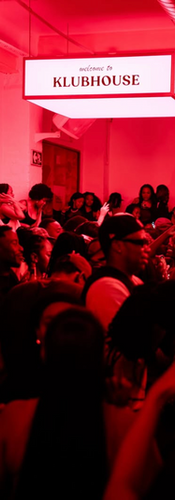

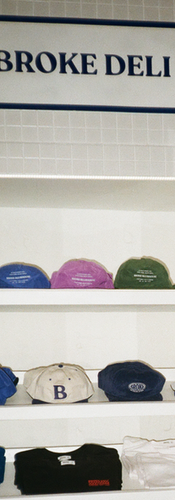




Broke Klubhouse operates at the intersection of fashion, music, and youth culture without relying on the traditional codes of lifestyle branding.
Radical affordability. Community-led activations. A refusal to sanitise identity for palatability. Rather than selling aspiration, it offers recognition.
The brand functions less as a label and more as a social container. It does not extract from culture. It translates it with care.
Cultural export without dilution






South African identity is increasingly visible on global platforms, but the mode of export has shifted.
This is not branding in the conventional sense. It is authorship.
Figures such as Tyla, Uncle Waffles, and Uncle Vinny are not flattening culture to make it legible. They are insisting on specificity.
Pap prepared without explanation. Amapiano performed without apology. Joy expressed without sanitisation.
The structural contradiction
Progress does not erase reality.
South African boardrooms remain disproportionately white. Decision-making power remains unevenly distributed. The visual language of many premium spaces continues to reflect inherited hierarchies.
Representation is not symbolic. It is operational.
White patrons. Black labour. Minimal disruption to the underlying order.
Any conversation about inclusion that ignores this spatial and organisational architecture remains incomplete.
When culture is treated as raw material






Across industries, a troubling pattern has become normalised.
This is not cultural exchange. It is poor judgement disguised as inspiration.
Form is taken while function is ignored. Symbols travel while systems remain intact. What looks fluent on the surface often collapses under scrutiny.
Luxury houses selling Basotho blanket–inspired designs without consultation. Western wellness brands monetising “self-care” while erasing its roots in Black feminist resistance and collective survival.
Louis Vuitton’s engagement with Basotho blanket aesthetics dates back at least to its Men’s Fall–Winter 2014 collection under Kim Jones, where blanket-wrapped silhouettes closely mirrored traditional forms without explicit attribution.
What matters here is not intent, but structure. The visual language moves upward into luxury, while the originating culture remains peripheral to authorship, profit, and power.
When culture is separated from the people who sustain it, brands gain visibility but lose credibility.
What this signals for marketers
This shift cannot be addressed with better language alone. It requires better judgement.
There is a difference between brands that reference culture and brands that are shaped by it.
One borrows signals. The other makes decisions.
One accumulates relevance quickly and loses it just as fast. The other compounds trust slowly.
Is your brand representative, or merely reflective of existing hierarchies?Are you building community, or accumulating an audience?Is inclusion something people experience, or something they are told about?
Brands like Pizzashed and Broke Klubhouse are not inclusive brands. They are coherent ones.
As influence decentralises, the most powerful move is no longer amplification. It is alignment.
Final observation
This is not a loud revolution.
It unfolds through everyday decisions about who is hired, who is paid, who is visible, and who is trusted with authorship.
In a country still negotiating its past, the most persuasive brands are not those announcing progress, but those designing it into how they operate.
What a brand does repeatedly will always speak louder than what it says once.
Index Note
Structural Inclusion
This essay forms part of an ongoing body of work examining how meaning, power, and credibility are constructed through everyday brand decisions.
Inclusion is treated here as an operational condition rather than a communications exercise. It is expressed through hiring, authorship, ownership, spatial design, and economic participation rather than through statements or symbolism.
Brands that embed these choices consistently become legible without explanation. Those that rely on declaration alone require constant narration.
Over time, behaviour compounds into belief.


Comments